Executive Summary
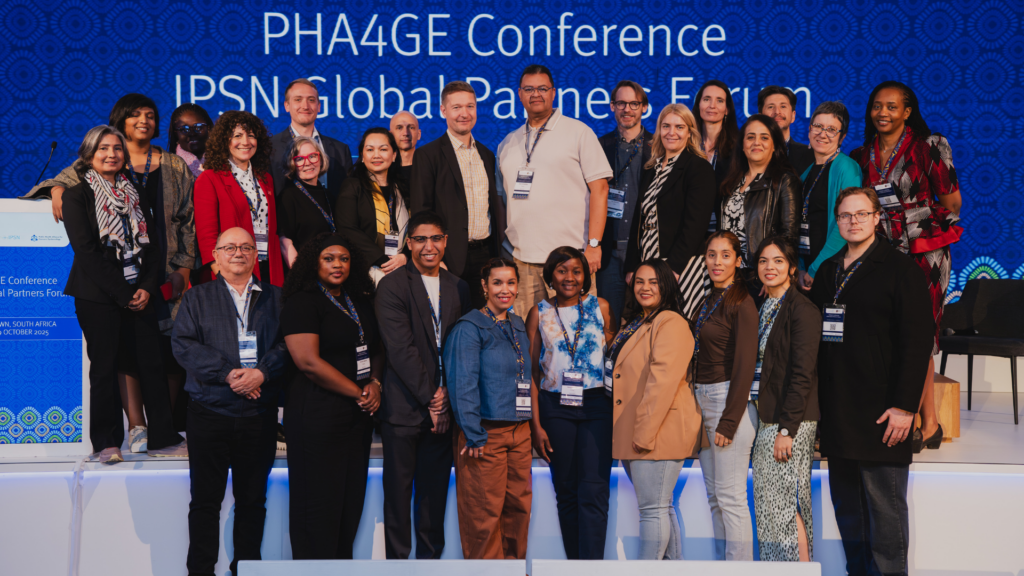
The Public Health Alliance for Genomic Epidemiology (PHA4GE) convened its second biennial conference in collaboration with the International Pathogen Surveillance Network (IPSN) Global Partners Forum. This was the third convening of the IPSN Global Partners Forum, co-hosted by the WHO Hub for Pandemic and Epidemic Intelligence and the WHO Regional Office for Africa. The joint event took place from the 27th – 29th of October 2025 at Century City Convention Centre in Cape Town, South Africa. Opening and closing remarks were given by the World Health Organization (WHO) representatives, the PHA4GE Consortium Lead and the Deputy Vice Chancellor of the University of the Western Cape.
With the theme, “Data for Action: Overcoming Challenges and Seizing Opportunities in Public Health Genomics”, the event comprised of a keynote address, break-away sessions focused on the IPSN Roadmap on Pathogen Genomics and PHA4GE Working Groups, panel discussions, individual presentations, poster sessions, and a networking evening, attracting 300 delegates from 50 countries. Largely supported by the World Health Organization and the Gates Foundation, the event provided a platform for sharing information on public health genomics. This report briefly summarises the sessions that took place.
Keynote Address
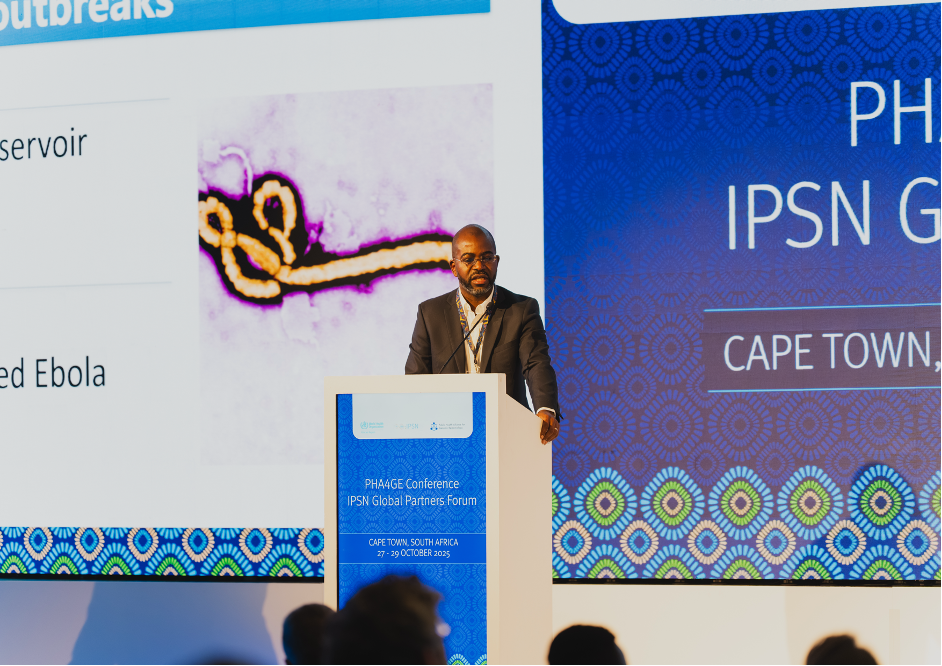
The keynote address, presented by Dr. Placide Mbala Kingebeni from Kinshasha University Medical School, emphasized the focal point of the conference and forum – the issues faced and possibilities of strengthening the collection and usage of genomic data for public health. His talk was a reflection on how the key pillars to management of health emergencies – preparedness, readiness and responsiveness – are being upheld in the Ebola outbreak response in the Democratic Republic of Congo. Long-held assumptions of Ebola being spread by animals to humans were clarified, revealing that Ebola can be spread from one person to another. Since national adoption in 2018, sequencing has clarified the different types and ancestry lines of Ebola, allowing informed surveillance, diagnostics and vaccine deployment. While genomics now guides policy and practice, a call to strengthen equitable data sharing was made.
Breakaway Sessions
IPSN Pathogen Genomics Strategy Roadmap
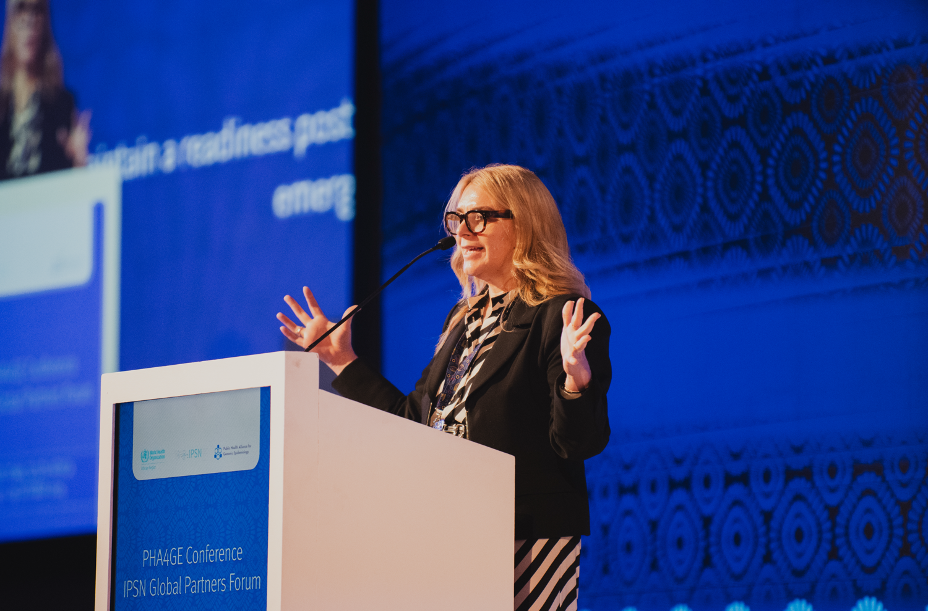
Integral to IPSN’s work in pathogen genomics, is a three-year roadmap that outlines the key deliverables and milestones to support global genomic surveillance. Some of the practical outputs from this strategy include national planning toolkits, surveillance standards, implementation guides with costing models, workforce frameworks, and equitable governance approaches. Dr. Josefina Campos, the Unit Head for Genomics and Analytics at IPSN, explained three core activities that would assist in achieving some of these outputs namely: translating a sample to data; translating data to insights; and translating insights to policy. Over the three days, delegates were engaged in these three activities in ten break-away groups. The discussions from these sessions reflected how experiences from different countries can be synergized into achieving the overall goal of IPSN’s work in pathogen genomics, that is, to be a unifying global platform for advancing pathogen genomics and strengthening public health decision-making.
PHA4GE Working Groups
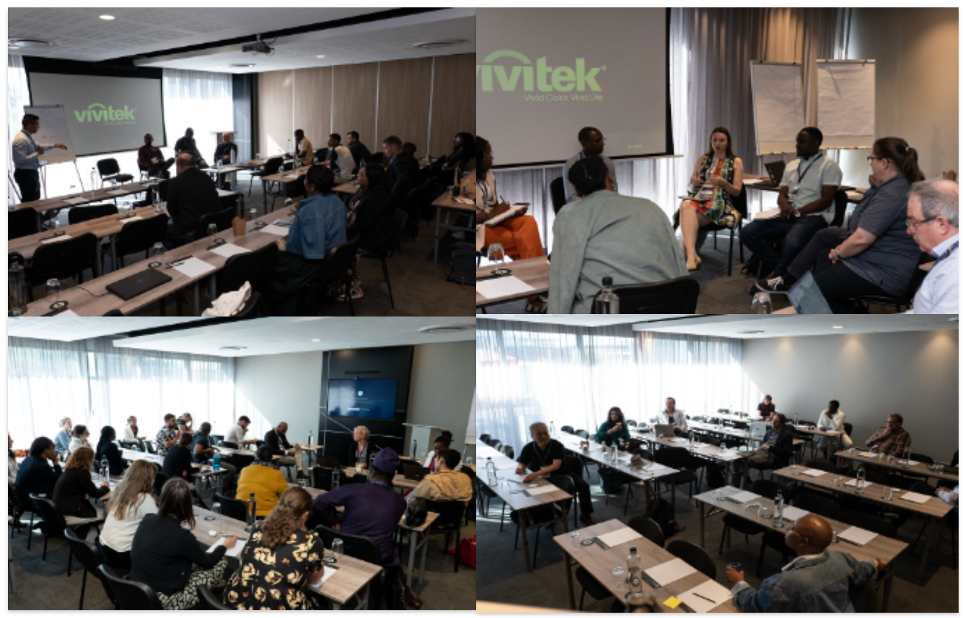
The driving force behind PHA4GE is its Working Groups, that focus on strengthening public health bioinformatics. They do this by establishing global consensus data standards, documenting and sharing best practices, improving the availability of critical bioinformatic tools and resources and by advocating for greater openness, interoperability, accessibility and reproducibility in public health bioinformatics. On Day 3, delegates engaged in five breakaway sessions mapping out further directions in training and workforce development, data structures, data repositories, infrastructure and artificial intelligence for public health genomics.
The Training & Workforce Development Working Group emphasized competency-based, multilingual, and policy-relevant training, while the Data Structures Working Group prioritized interoperable, community-tested standards. The Data Repositories Working Group centered on expanding Pathoplexus through equitable access, stronger trust-building, and user-driven features, and the Artificial Intelligence (AI) Working Group highlighted the need for safe, ethical, and accessible AI tools with continued human oversight. The Infrastructure Working Group identified key bottlenecks, from storage and scalability to access control and limited skills, calling for clearer frameworks, standardised output formats, and better coordination of meetings for more inclusivity.
Panel Discussions
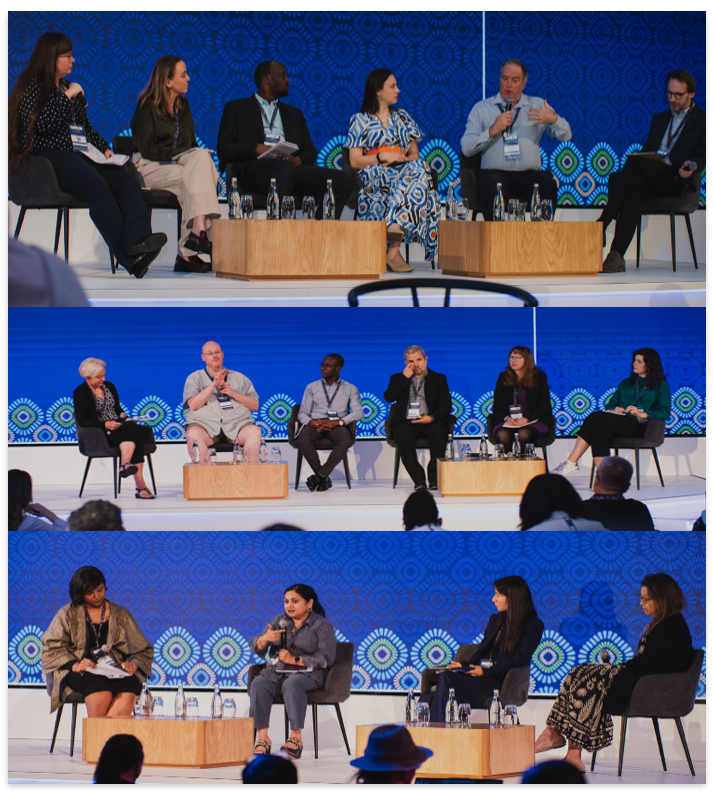
Three panel discussions were held during the joint event namely: Genomics Challenges with Data, Infrastructure to Support Public Health and Investment and Funding. The three panel discussions collectively highlighted the technical, operational, governance, and financial challenges that must be addressed to build a sustainable and interoperable global pathogen genomics ecosystem. Speakers emphasized the importance of harmonized data standards, clear ontologies, and cautious use of AI, and the alignment of databases with community-driven frameworks that support credit, privacy, data control, and multi-pathogen integration. Across panels, experts emphasized that successful implementation requires collaboration between funders, institutions, and local practitioners, alongside strong communication, skills development, benchmarking, auditing, and infrastructure designed to directly enable public-health action. They also highlighted that standard adoption must be incentivized, quality control must be built in, and long-term sustainability depends on system-wide investment rather than disease-specific funding.
Individual Talks
Thirty-two individual talks were delivered over the three days by policymakers, scientists and students, who spoke on various key matters in public health genomics. These topics included: Priority Pathogens/Diseases, Infrastructure to Support Public Health, One Health and Surveillance, Workforce Development, Policymaking for Advancing Public Health Genomics, and a project showcase of the IPSN Catalytic Grant Fund.
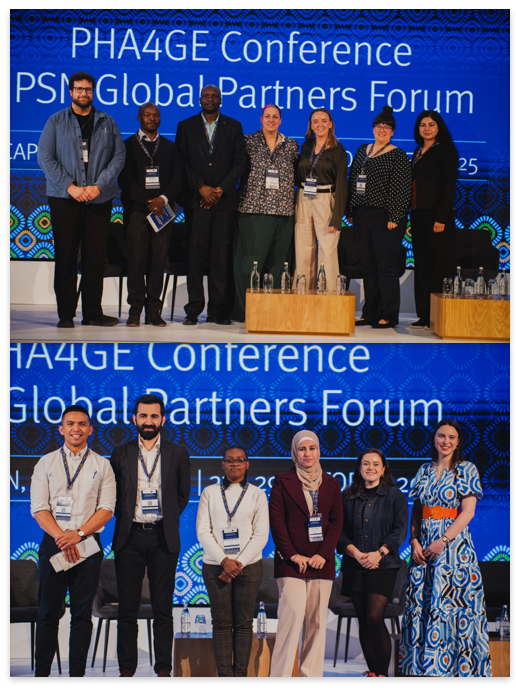
Talks on Priority Pathogens and Diseases highlighted strong progress in developing interoperable, community-driven data standards and turning them into practical tools for genomic surveillance. Speakers demonstrated their value across real-world public-health applications and ethical data-sharing models.

Talks on Infrastructure to Support Public Health highlighted the architecture needed to make genomic surveillance actionable, reliable, and scalable, emphasizing reproducibility, modular design, and strong governance. Speakers showed how well-designed platforms can support secure, coordinated data sharing across jurisdictions while preserving data ownership. Discussions also stressed the need to adapt current academic tools for routine surveillance and the importance of community engagement and interdisciplinary communication.
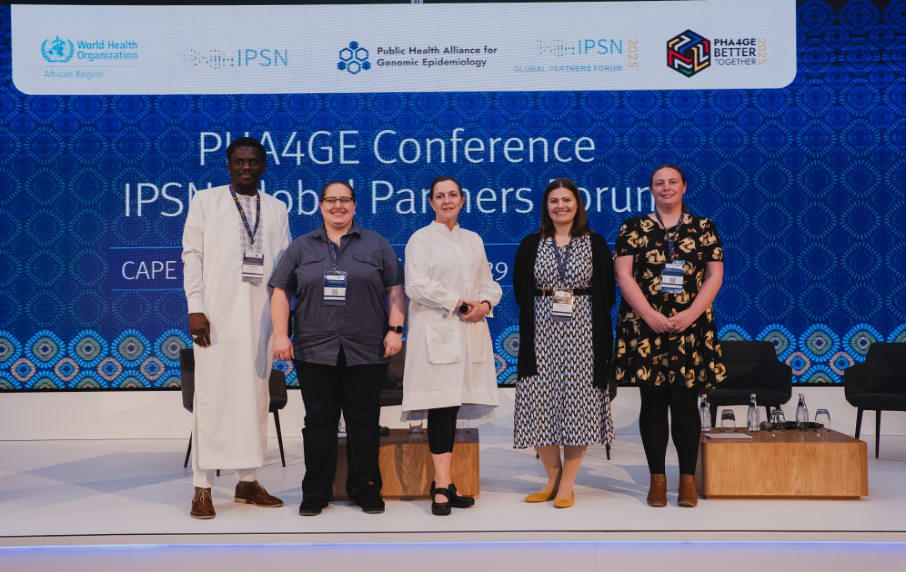
The One Health and Surveillance presenters emphasized the importance of ethical, equitable, and trusted data-sharing systems. Speakers highlighted that strong governance, high-quality metadata, and cross-sector collaboration are essential for effective genomic surveillance. The discussions reinforced that privacy, communication, and community engagement are key to strengthening early detection and public-health response.
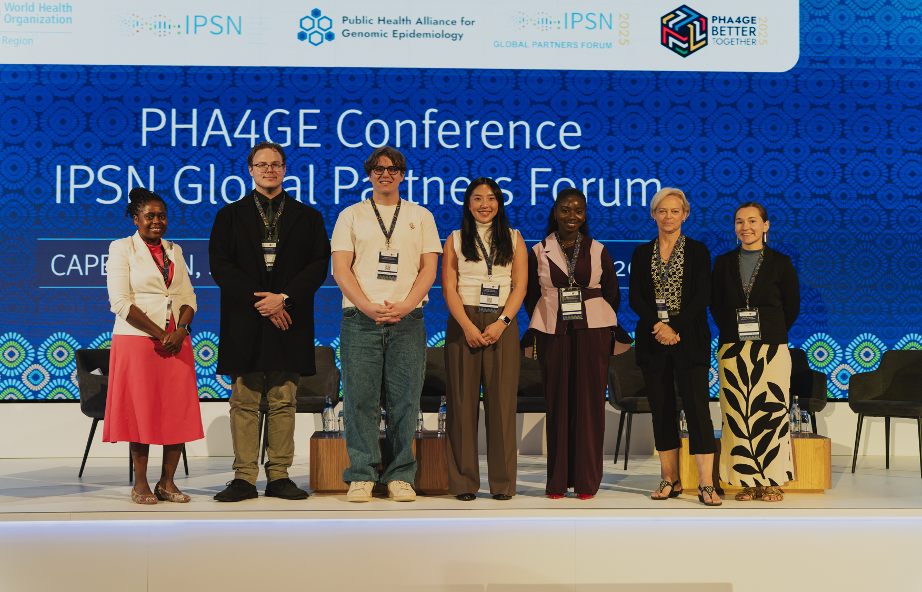
Talks on Workforce and Development addressed major progress in building sustainable, competency-based training for pathogen genomics, including global standards and aligned curricula. Speakers showcased innovative learning approaches and tools while emphasizing support for early-career scientists and reducing barriers in low-resource settings. The session also showed how real-world exercises can strengthen collaboration between labs and epidemiologists, ensuring genomic data informs real public-health action.
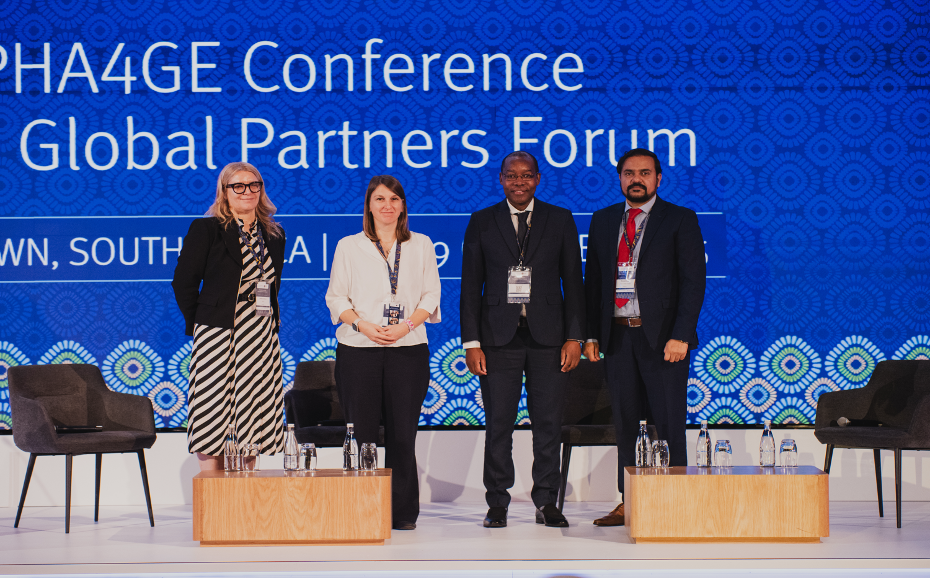
The Policy Making for Advancing Public Health Genomics talks highlighted how strong national strategies, multisectoral planning, and sustainable financing are essential for advancing public health genomics. Speakers noted persistent barriers such as donor dependence, weak governance, and limited data integration, pointing to the need for greater domestic investment and decentralized capacity. Overall, national ownership, stakeholder engagement, and One Health approaches emerged as the key pillars for effective genomics-informed public-health decision-making.
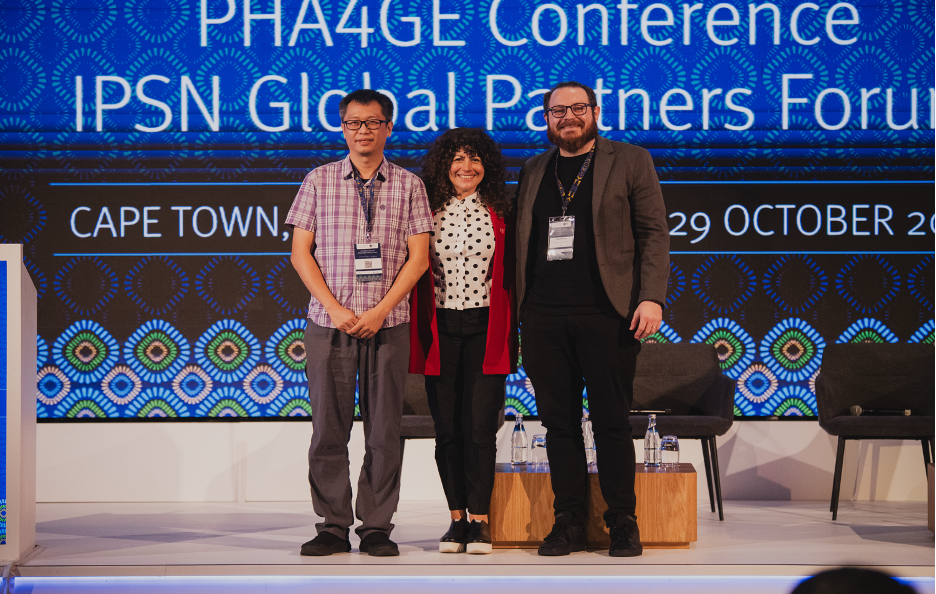
Three IPSN Catalytic Grant Fund projects demonstrated how targeted support can rapidly expand genomic surveillance in resource-limited settings. Each initiative built local sequencing capacity, enabled real-time analysis, and generated insights into pathogen and AMR patterns. Together, they showed how empowering local scientists strengthens surveillance systems and creates a foundation for sustainable regional monitoring.
Poster Sessions
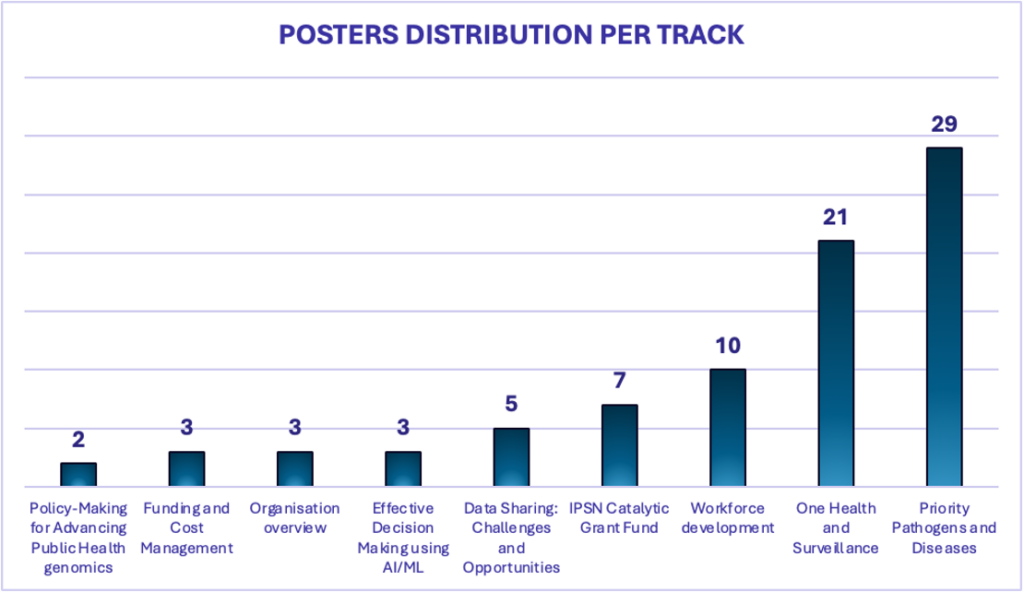
The joint event had two poster sessions held over two days. The poster sessions consisted of both a poster display and an oral presentation of 83 posters by representatives from 64 organizations, globally. Three posters gave an overview of the two hosting organizations, IPSN and PHA4GE. Seven posters showcased some of the projects supported by the IPSN Catalytic Grant Fund. The remaining 73 posters covered the seven poster sub-themes (see graph above).
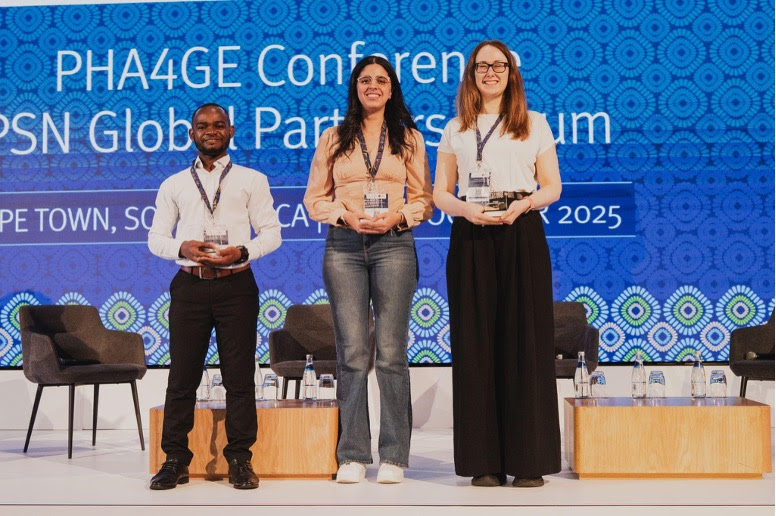
Recognizing all the work put in by all presenters, four members of the PHA4GE Steering committee narrowed to three best posters based on visual design, quality, novelty and relevance of the poster content to the specified sub-theme. Nihal Habib, from Morocco was the overall winner; Bruhan Kyomuhendo, from South Africa was the first runner up, and Zoë Dyson from the United Kingdom was the second runner up.
Acknowledgements
PHA4GE and IPSN extend sincere gratitude to all sponsors, partners, delegates, speakers, and volunteers for their invaluable contributions to the success of this joint event. Special thanks goes to the organizing committee for their dedication and commitment to the success of the event.