Global public health experts met to refine metadata standards for cholera, malaria, meningitis and neonatal sepsis, strengthening the use of pathogen genomics in outbreak response and health decision-making.

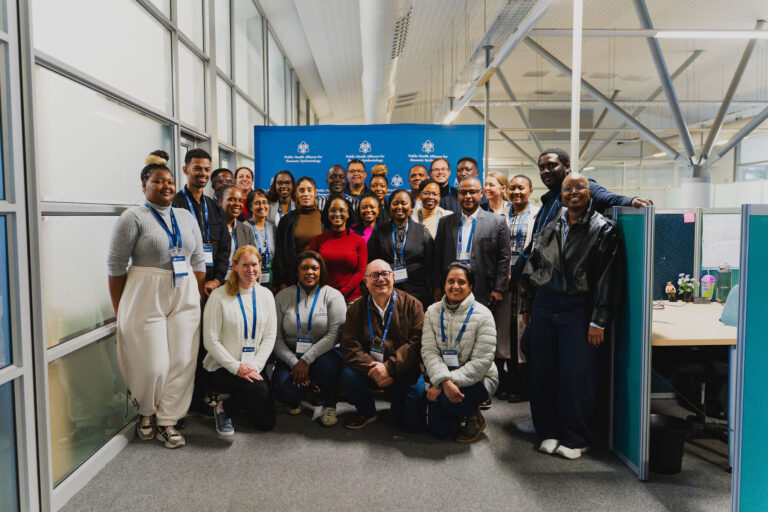
Global public health experts met to refine metadata standards for cholera, malaria, meningitis and neonatal sepsis, strengthening the use of pathogen genomics in outbreak response and health decision-making.
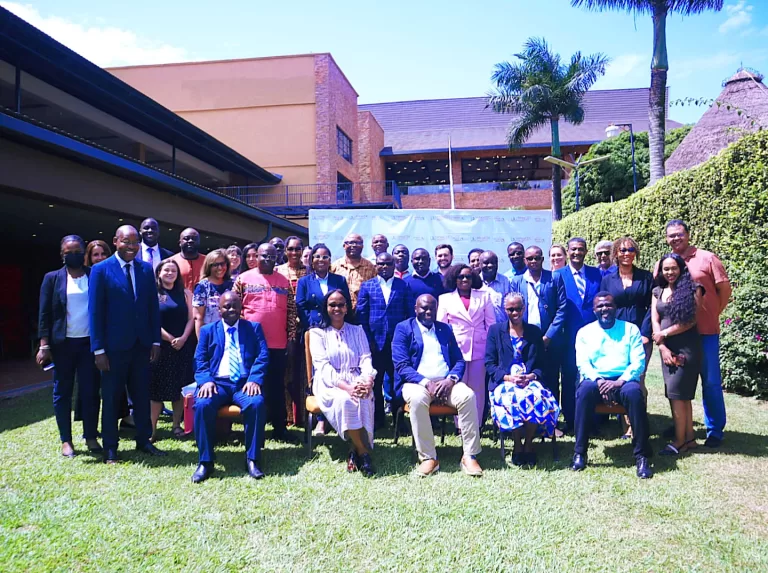
A landmark meeting in Uganda brought together global experts to tackle the challenges of data standards for malaria genomics. Hosted by PHA4GE and the Africa CDC’s Africa PGI, the event highlighted how critical data standardisation, sharing, and infrastructure are to advancing molecular surveillance of malaria in Africa. Despite hurdles like funding gaps and data sensitivity, participants agreed that improving data systems is essential for effective malaria control and elimination.

PHA4GE kicked off work on malaria genomics data standards at ASTMH 2024 in New Orleans, where Alan Christoffels and Tracey Calvert-Joshua presented a funding proposal on metadata collection.
A landmark meeting in Uganda brought together global experts to tackle the challenges of data standards for malaria genomics. Hosted by PHA4GE and the Africa CDC’s Africa PGI, the event highlighted how critical data standardisation, sharing, and infrastructure are to advancing molecular surveillance of malaria in Africa. Despite hurdles like funding gaps and data sensitivity, participants agreed that improving data systems is essential for effective malaria control and elimination.

PHA4GE kicked off work on malaria genomics data standards at ASTMH 2024 in New Orleans, where Alan Christoffels and Tracey Calvert-Joshua presented a funding proposal on metadata collection.
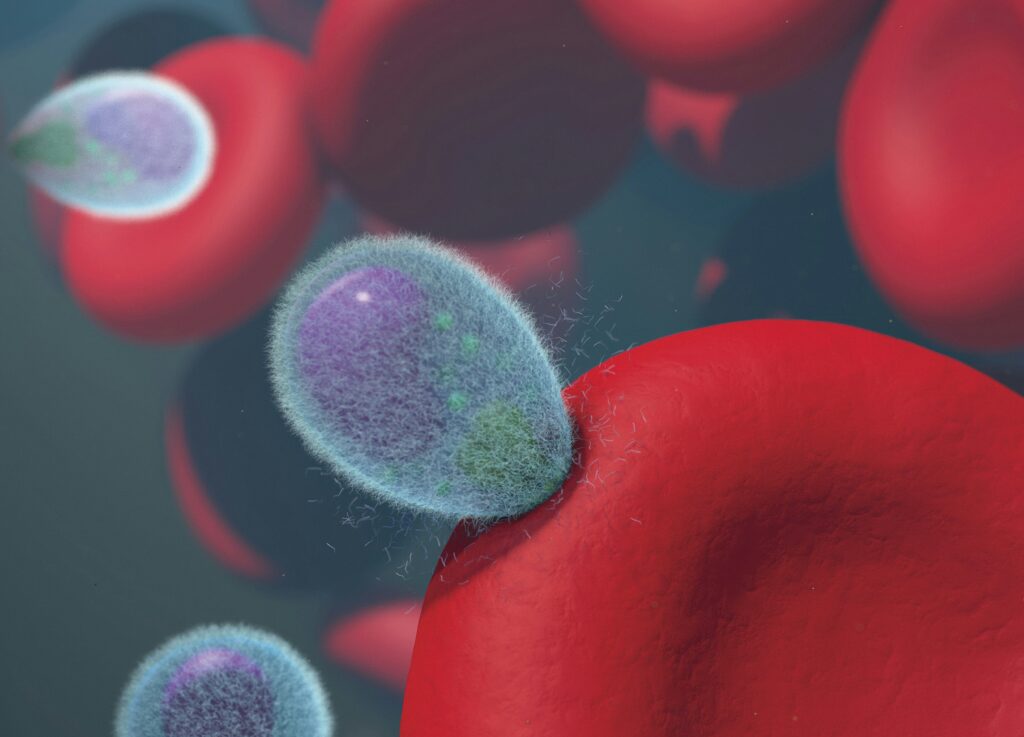
Malaria, a disease as old as civilization itself, continues to pose a significant global health challenges in the 21st century. Every year on April 25th, World Malaria Day serves as a reminder of the ongoing battle against this ancient scourge.