Research

Articles

The articles on this page bring together news, stories, and updates from the Public Health Alliance for Genomic Epidemiology (PHA4GE). They highlight our projects, collaborations, events, and milestones as we work with partners around the world to strengthen genomic epidemiology and public health practice.

Browse the posts below to explore what PHA4GE has been doing, learn about new resources and initiatives, and follow how our community is growing and evolving over time.

As sequencing capacity grows across the Asia-Pacific region, attention is shifting to a new challenge: how genomic data is structured, managed, shared and sustained. A WHO meeting in Nepal brought experts together to examine the infrastructure, standards and workforce needed to turn growing volumes of sequence data into effective public health action.
PHA4GE Working Groups made progress across several areas in October, from wastewater surveillance and genomic data infrastructure to artificial intelligence and pathogen data sharing, with new developments also underway through Pathoplexus.

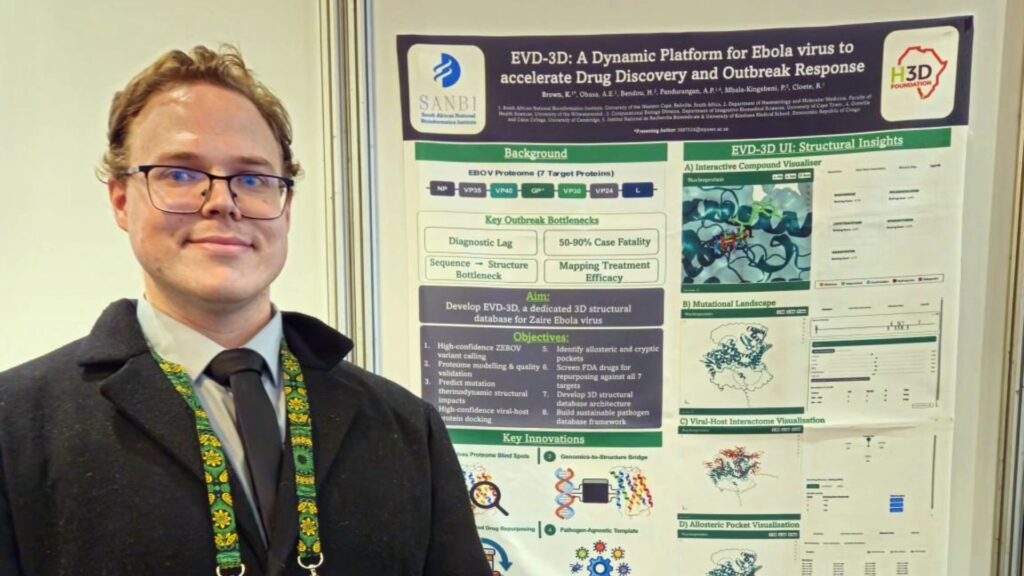
PHA4GE researcher Keaghan Brown is developing a bioinformatics platform that connects Ebolavirus genomic surveillance data with structural biology to better understand viral mutations, identify potential drug targets and support early-stage drug discovery.

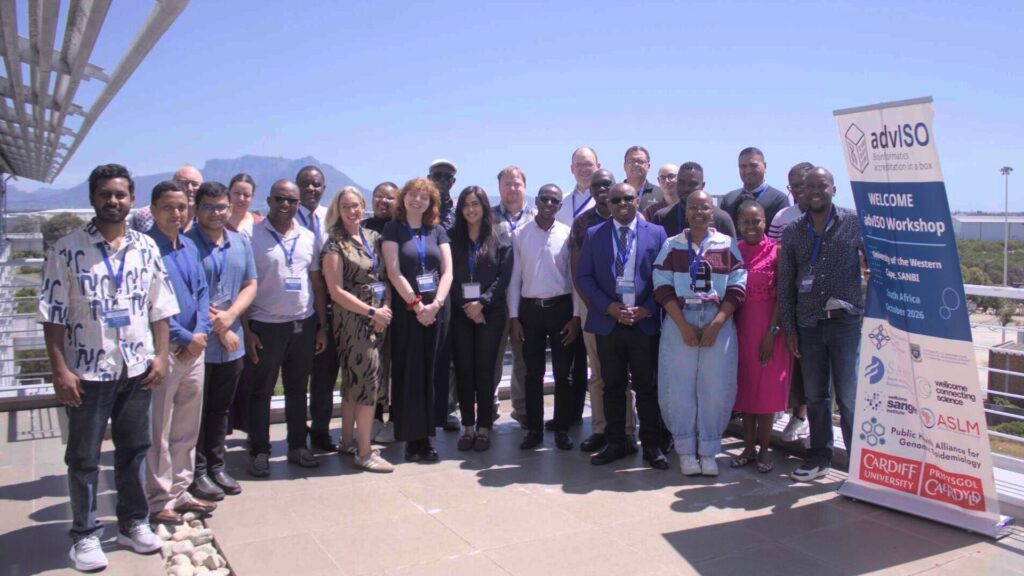
The advISO project is entering its next phase, with laboratories across Africa and Asia piloting new tools to achieve international accreditation for bioinformatics workflows, strengthen quality standards and improve access to reliable genomic testing.

From computer science to public health genomics, PHA4GE postdoctoral researcher Taiwo Omomule has followed an unconventional path into artificial intelligence. Now, he is leading a project to develop AI-driven bioinformatics tools that could transform disease surveillance and strengthen public-health responses.

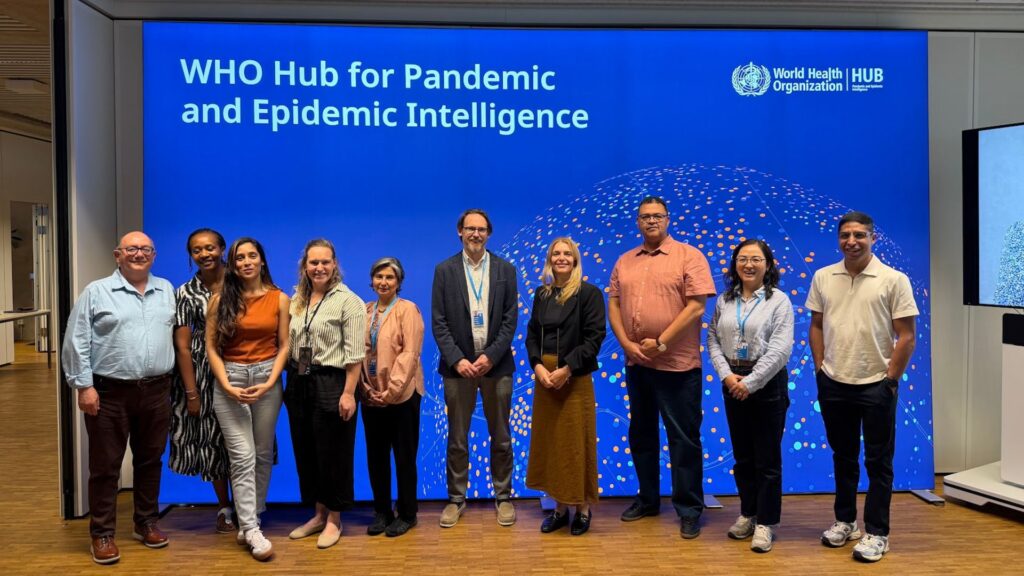
A PHA4GE delegation visited Berlin to strengthen partnerships with the WHO’s International Pathogen Surveillance Network (IPSN) and the Robert Koch Institute (RKI), exploring collaboration on genomic data standards, workforce development, artificial intelligence and the role of pathogen genomics in public health.

Two years since its launch, Pathoplexus is helping reshape pathogen genomic data sharing by balancing rapid access with fair recognition for data contributors. From supporting outbreak responses to expanding pathogen coverage and improving citation tracking, the community-governed platform is building trust and making genomic data more accessible for public health.

In Buenos Aires, researcher Dr Barbara Ghiglione has applied the PHA4GE Wastewater Contextual Data Specification to an antimicrobial resistance surveillance project, showing how shared standards can strengthen research, shape data collection and connect local work with a global community.

At GMI16, researchers and public health experts turned their attention to the less glamorous but increasingly urgent questions around genomic surveillance: how data is shared, how systems connect, and how trust is built.