
Pathogen genomics under the spotlight at Thailand meeting
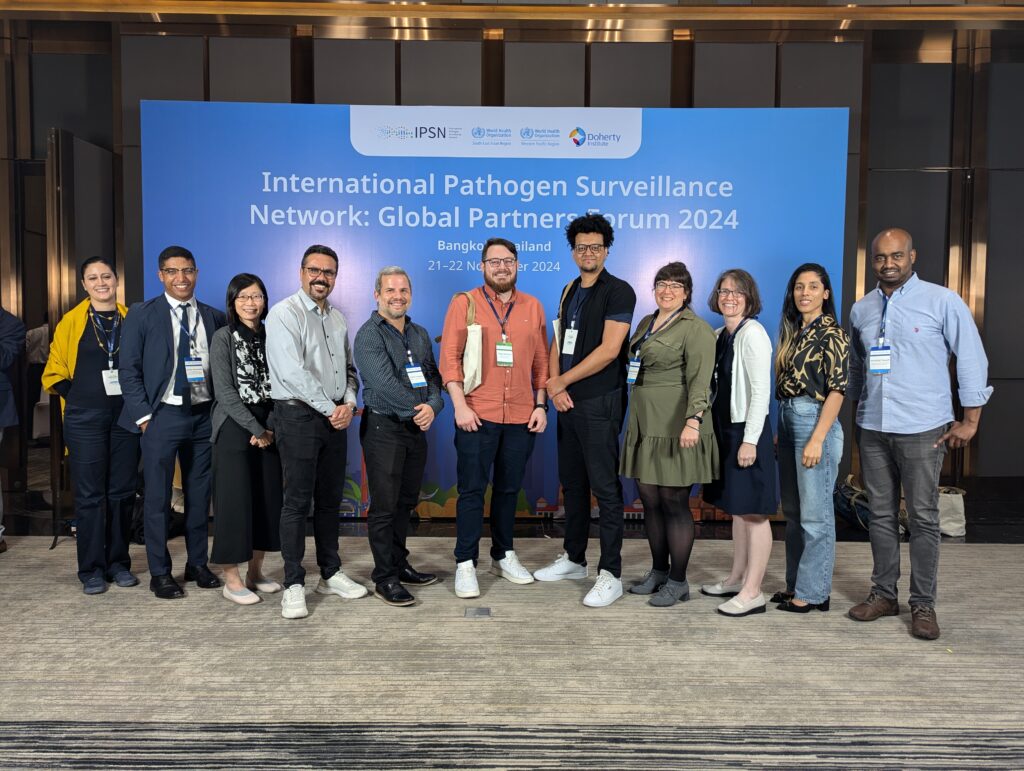
With PHA4GE members spread across the globe, in-person meetups are always a valued opportunity. Several members recently gathered at the IPSN Global Partners Forum in Bangkok, Thailand (Nov 21–22, 2024) to connect, collaborate, and advance global pathogen surveillance efforts.
Insights from a Volunteering Intern at PHA4GE

Ghislaine van Vlijmen reflects on her three-month voluntary internship with PHA4GE, where she contributed to organizational sustainability and assisted in multiple portfolios. Her experience highlights the power of partnerships in advancing bioinformatics solutions for public health.
Data Repositories Working Group: Welcome to our new Chairs!

Arthur Shem Kasambula and Dr. Emma Hodcroft have joined PHA4GE’s Data Repositories Working Group as co-chairs, aiming to advance tools and databases like Pathoplexus for improved pathogen data sharing. Their efforts will drive consensus-driven solutions and technical recommendations to enhance usability and integration across global data systems.
Introducing Pathoplexus

We are announcing Pathoplexus, a specialised genomic database for viruses of public health importance. By combining modern open-source software with transparent governance structures, Pathoplexus fills a niche within the existing genomic sequencing database landscape, aiming to meet requests from both data submitters and users and striving to improve equity.
2024 PHA4GE Member Survey – Report

In April and June 2024, we invited all PHA4GE members to participate in a survey to ensure PHA4GE is providing opportunities that align with your passions and expertise. The results have been compiled into a short report.
PHA4GE celebrates Mandela Day with coding and disease literacy

Marking this year’s Mandela Day, PHA4GE hosted 20 young learners from Heideveld, hoping to inspire them to become tomorrow’s scientists.
How the sausage gets made: a conversation with the Data Structures Working Group about developing, testing and implementing the PHA4GE Wastewater Contextual Data Specification Package

A look into how PHA4GE is creating a set of development guides, as well as a database of searchable attributes enabling the assembly of suites for specific use cases and ensuring that relevant terms are re-used, increasing interoperability across the data streams in public health
Why is Wastewater surveillance important?
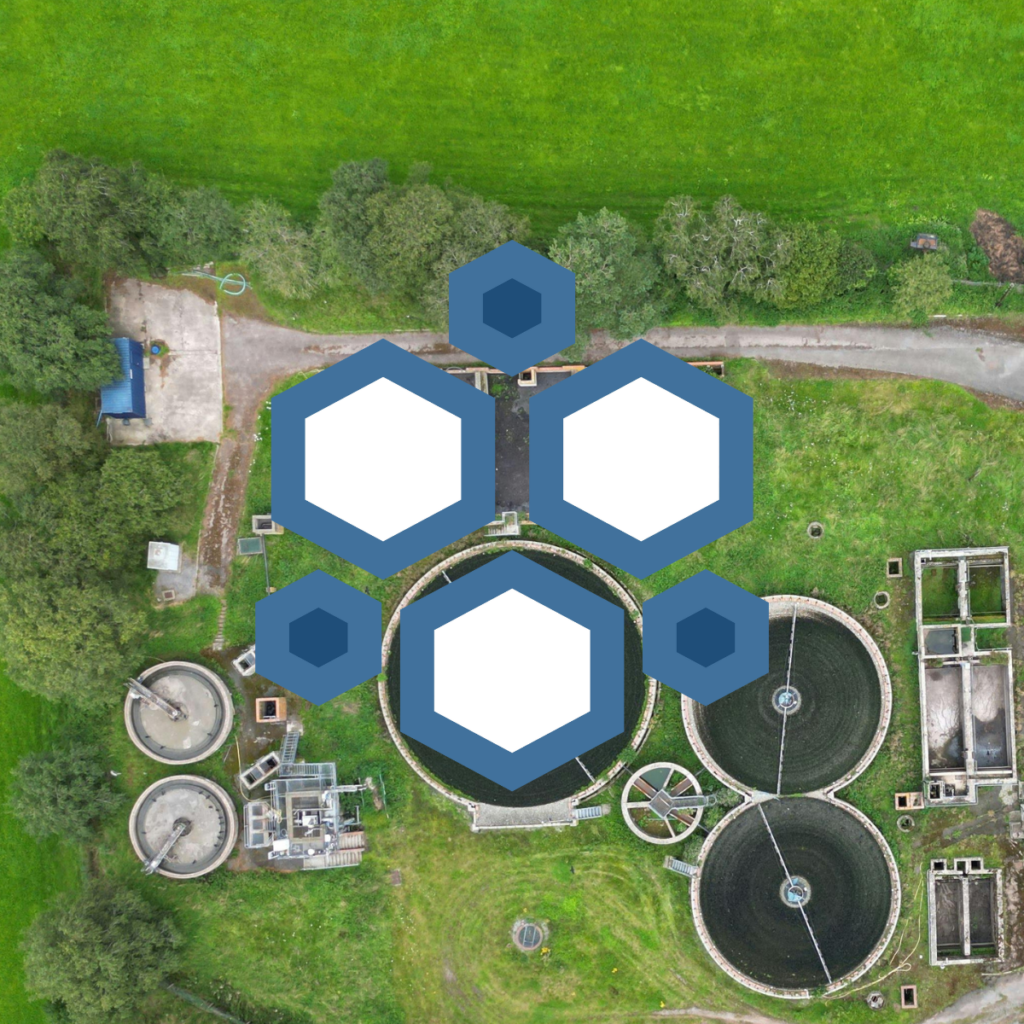
Wastewater surveillance is a crucial public health tool that involves monitoring the contents of wastewater to gain insights into community health. This method can detect the spread of infectious diseases, track drug use patterns, and assess the effectiveness of public health measures. By analyzing wastewater, health officials can identify outbreaks early, observe disease trends, and allocate resources more effectively, ultimately safeguarding public health.
Understanding Malaria and the Measures Towards Malaria Elimination
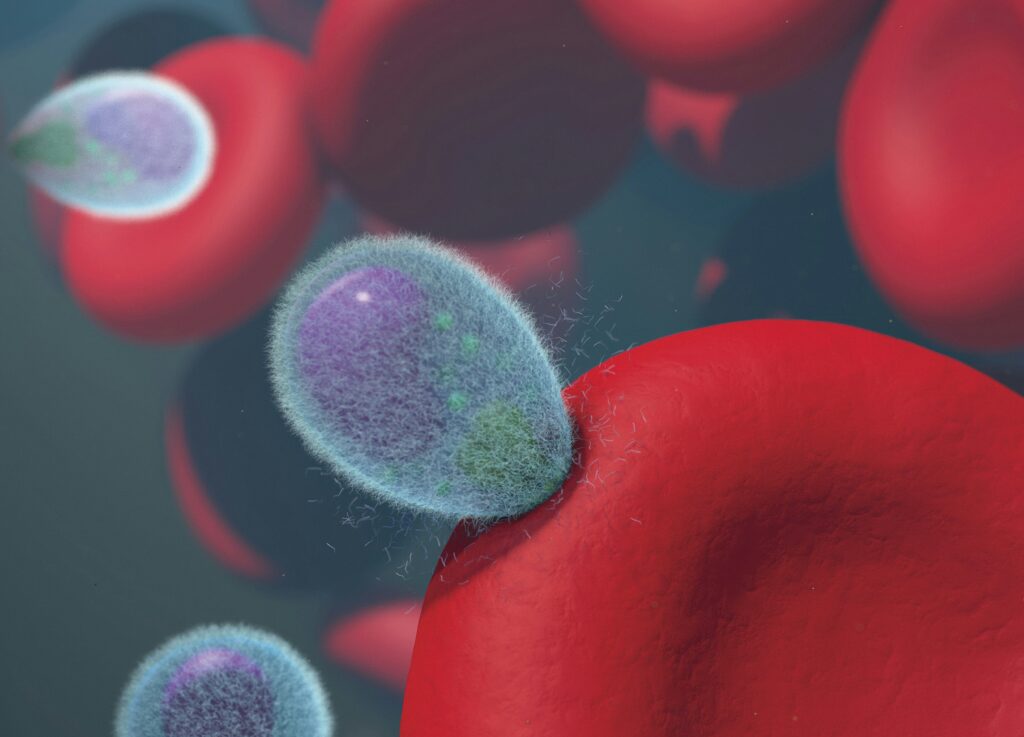
Malaria, a disease as old as civilization itself, continues to pose a significant global health challenges in the 21st century. Every year on April 25th, World Malaria Day serves as a reminder of the ongoing battle against this ancient scourge.
Celebrating 75 Years of World Health Organization: Upholding the Right to Health for All
As we commemorate the 75th year of the World Health Organization (WHO) and observe World Health Day, it’s imperative to reflect on the challenges and triumphs that shape global health.