Driver Project

Malaria

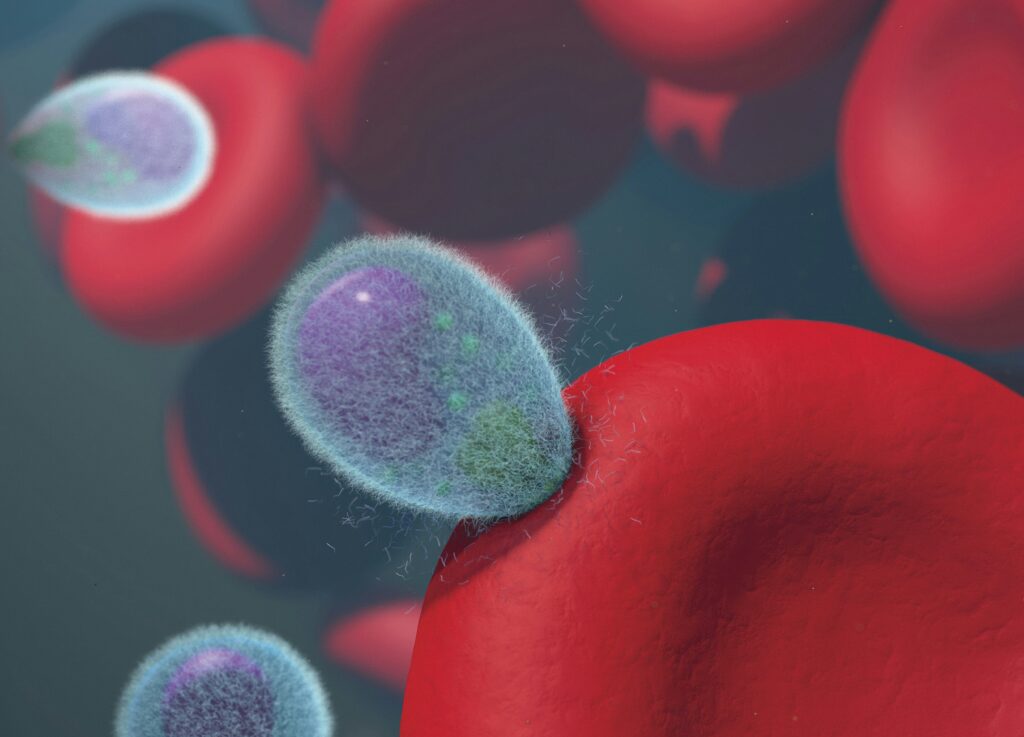
Malaria remains one of the most significant global health challenges, especially in endemic regions of the Global South. Advances in genomic epidemiology provide new opportunities for improving surveillance, tracking transmission, and guiding interventions. However, these opportunities are constrained by the lack of standardised data formats, protocols, and sharing mechanisms.

Problem Statement

Current malaria surveillance is hindered by fragmented data collection, storage, and analysis practices. Even critical needs, such as identifying resistant markers, lack agreed standards. Without harmonised approaches, genomic data cannot be fully integrated into control programs, limiting interoperability, reproducibility, and cross-study comparisons. This weakens the ability of translating genomic insights into actionable strategies.

Implementation Framework

PHA4GE is leading a collaborative effort with NMCPs, regional scientists, Africa CDC, APMEN, PlasmoGenEpi, MalariaGEN, Elimination 8, INSDC, and other BMGF-supported networks. The initiative will:

Develop Comprehensive and Minimal Malaria Molecular Surveillance (MMS) Standards

Develop best practices for analysis, interpretation and sharing

Build tools that streamline uptake of standardised data

Support training, capacity building, and knowledge exchange

Translate data into public health action

By fostering alignment and collaboration, the project aims to transform malaria genomic data into accessible, reliable, and actionable insights for global malaria control.

Resources

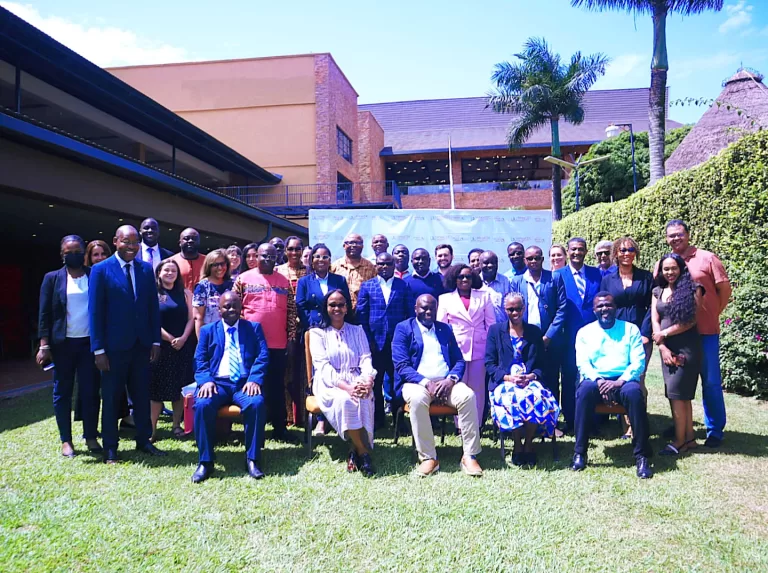
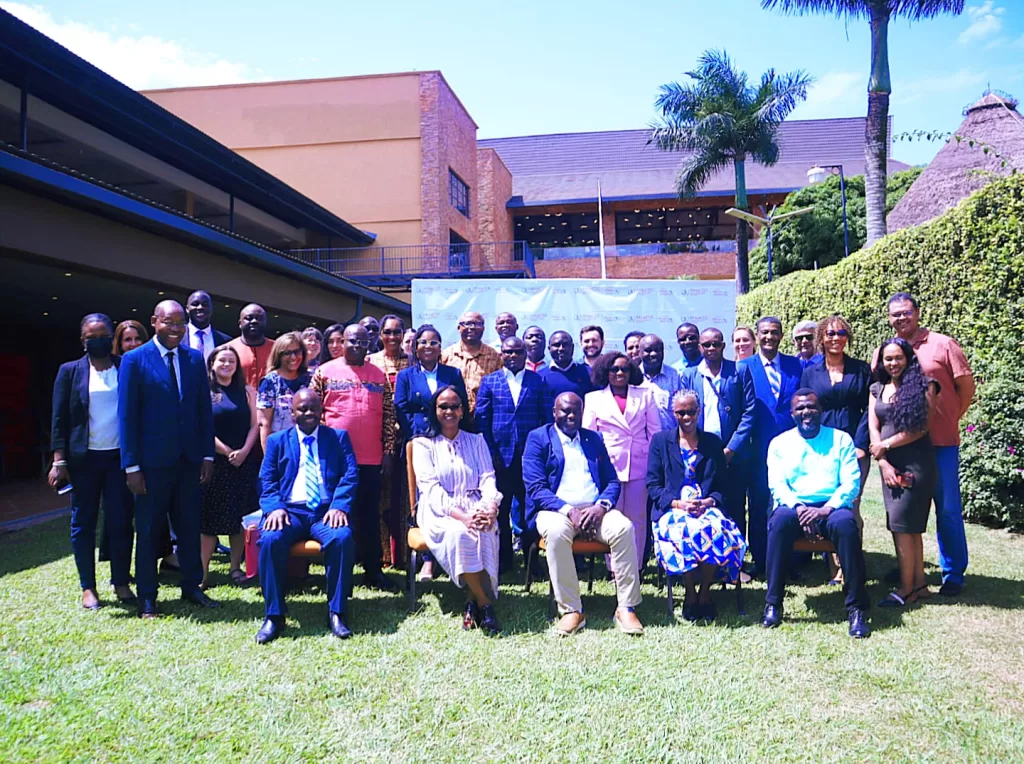
A landmark meeting in Uganda brought together global experts to tackle the challenges of data standards for malaria genomics. Hosted by PHA4GE and the Africa CDC’s Africa PGI, the event highlighted how critical data standardisation, sharing, and infrastructure are to advancing molecular surveillance of malaria in Africa. Despite hurdles like funding gaps and data sensitivity, participants agreed that improving data systems is essential for effective malaria control and elimination.


PHA4GE kicked off work on malaria genomics data standards at ASTMH 2024 in New Orleans, where Alan Christoffels and Tracey Calvert-Joshua presented a funding proposal on metadata collection.

Related Links

A landmark meeting in Uganda brought together global experts to tackle the challenges of data standards for malaria genomics. Hosted by PHA4GE and the Africa CDC’s Africa PGI, the event highlighted how critical data standardisation, sharing, and infrastructure are to advancing molecular surveillance of malaria in Africa. Despite hurdles like funding gaps and data sensitivity, participants agreed that improving data systems is essential for effective malaria control and elimination.
PHA4GE kicked off work on malaria genomics data standards at ASTMH 2024 in New Orleans, where Alan Christoffels and Tracey Calvert-Joshua presented a funding proposal on metadata collection.

Malaria, a disease as old as civilization itself, continues to pose a significant global health challenges in the 21st century. Every year on April 25th, World Malaria Day serves as a reminder of the ongoing battle against this ancient scourge.